
It was once said to me that scholarship and pedagogic research in bioscience can be a lonely experience where academics work independently, without a sense of community or support.

Such an environment can work well for some but many researchers gain benefit from a supportive environment where they are able to share their ideas and experiences. Not only this but by developing collaborations, it enables researchers to bring projects to fruition more quickly or incorporate a wider scope to the research than they may be able to achieve alone. By drawing on each other’s strengths, our own professional development can also be enhanced.
Within our department, we have created a scholarship research centre which aims to engender this philosophy of collaboration, support and professional development. By aligning our research under strategic themes, we create an environment for researchers with similar interests to create a sense of community and collaboration under the umbrella of their research theme. Our community doesn’t just reside within our department or within our university.
Through this blog, we hope to create a community of diverse voices from across the world to discuss areas of interest and importance in bioscience and STEM higher education. We hope that you find a place for supportive discussion and building shared understanding.
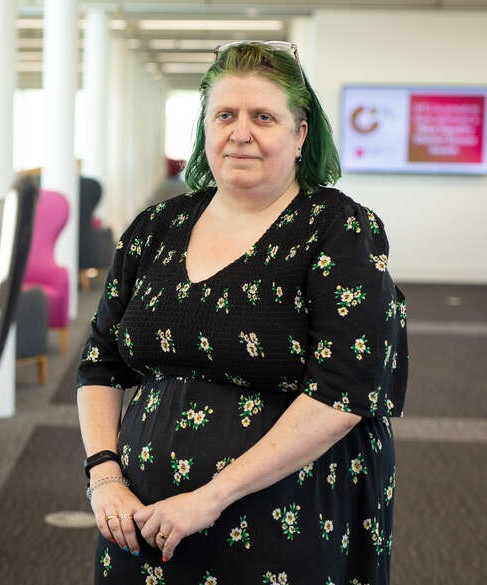
Sarah Rayment
Senior Lecturer
Bioscience Scholarship Centre Lead
As the theme lead for Inclusive Student Experience, my everyday activities revolve around working with people who are passionate about helping students.

The motto of my work is “giving students the keys to their own success”. It might sound cliché, but I think it has great truths. By giving students the keys, we enable them and create equity in the educational system. We then allow them their own autonomy to choose whether to open the door or not and follow their own path.
Being inclusive means creating opportunities for all, removing any barriers that might be a holdover from previous eras, or due to areas or issues we don’t experience. My own research focuses on Decolonising the curriculum in my home department of Biosciences and also improving educational outcomes in students with disabilities. These are key challenges in the Inclusive Student Experience theme. Other strands in the theme are reducing or eliminating awarding gaps or increasing cross-cultural awareness, the international student experience and even how reflective practice and international collaboration can lead to better student outcomes.
Each one of these areas can be a challenge, but with the right keys, they can be unlocked!
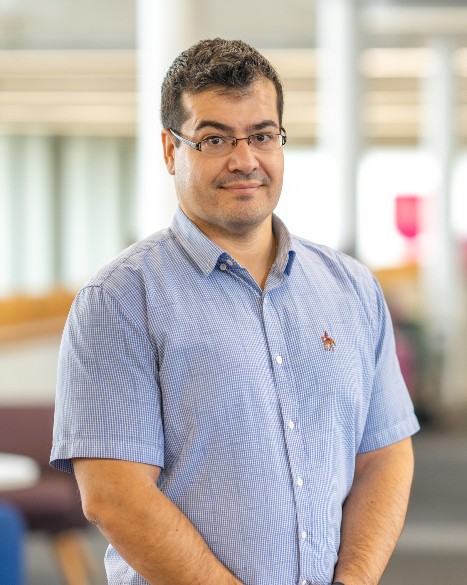
Anastasios Stavrou
Senior Lecturer in Biochemistry
Inclusive Student Experience Theme Lead

What feels new today can quickly become part of everyday teaching tomorrow. I believe innovative pedagogy is about adapting to shifts, and that’s what makes this theme both interesting and challenging.
For many of us, what comes first to mind when we hear innovation is technology and that’s a big part of it. We are thinking about how we can use digital tools to create more engaging learning experiences for our students, how we can apply generative AI in teaching, assessment design and the considerations of academic integrity.
But it’s not only that. It also involves putting students at the centre of all we do, designing co-creation projects and allowing students shape their learning rather than simply receiving it. This increases their feeling of belonging and ownership.
Within this theme, we are creating space for fresh thinking and collaborations across disciplines. Because this area continues to evolve, the examples within Innovative Pedagogy will change over time, and that’s completely fine. The aim at the end of the day is to adapt and remain creative in the face of uncertainties in higher education.
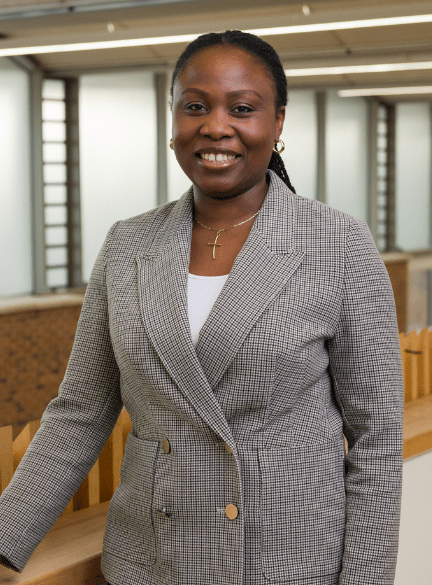
Bunmi Omorotionmwan
Senior Lecturer in Microbiology
Innovative Pedagogy Theme Lead
When I was a student, the classroom looked very different from the vibrant spaces I teach in today. Learning was passive rows of desks, long lectures, quiet note‑taking. You listened, you wrote, you left. Back then, I never imagined myself becoming a lecturer. In truth, the traditional model didn’t inspire me; it felt distant and disconnected from the real world.
But as time went on, pedagogy began to shift and evolve in exciting ways. Teaching transformed from static delivery to rich, interactive experiences that placed students at the centre. Learning became more authentic, more collaborative, more human. I realised that this was the kind of teaching I wanted to be part of.
I would summarise the authentic and engaging teaching and learning as being built on three key pillars: work‑like experience, active collaborative learning, and building resilience through coaching.
Active collaborative learning involves approaches such as Team‑Based Learning and SCALE‑UP turn classrooms into lively, discussion‑rich spaces where students question, problem‑solve and construct knowledge together. Collaboration deepens understanding and makes learning feel shared and dynamic.
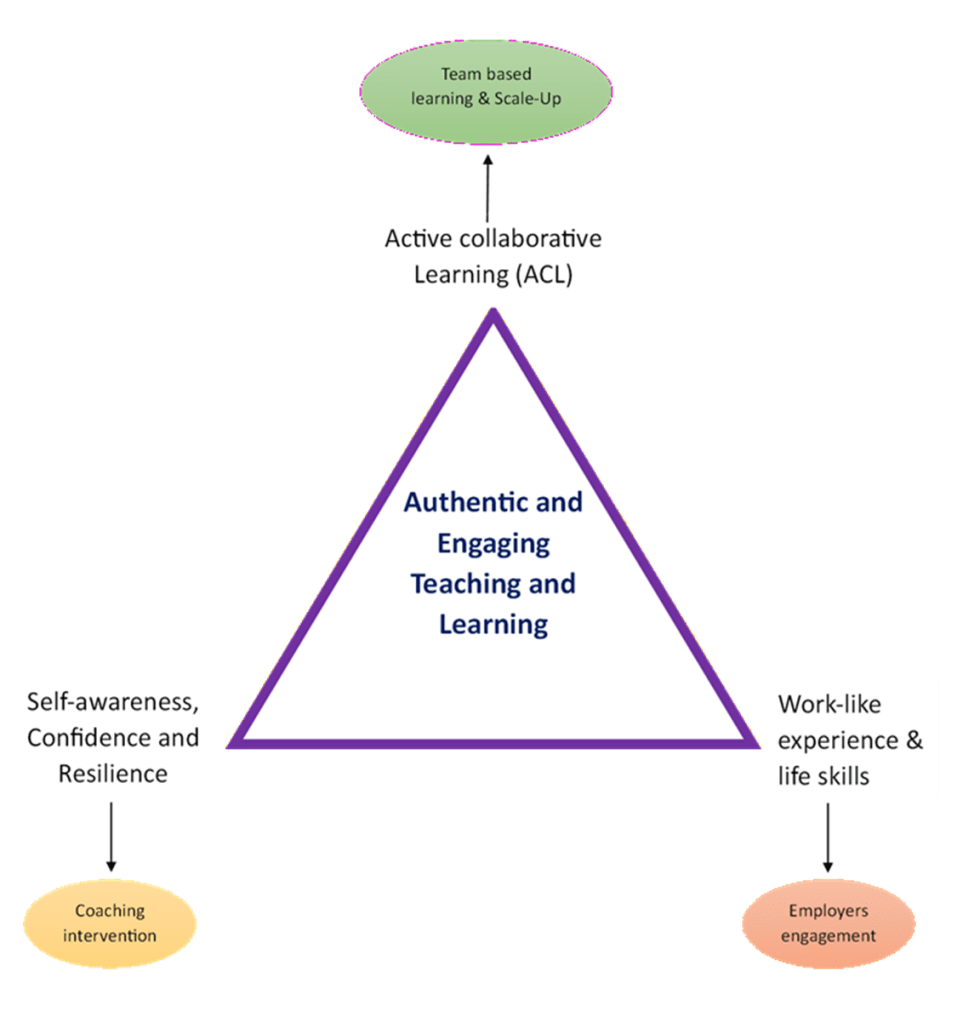
Work like experience engages students in tasks that mirror real professional environments. This makes learning purposeful and helps them build the confidence and practical skills employers value.
Coaching‑informed practices encourage reflection, self‑awareness and goal‑setting, helping students navigate challenges and take ownership of their development. This support nurtures adaptable, confident individuals prepared for both academic and professional growth.
 Bioscience Scholarship Research at NTU