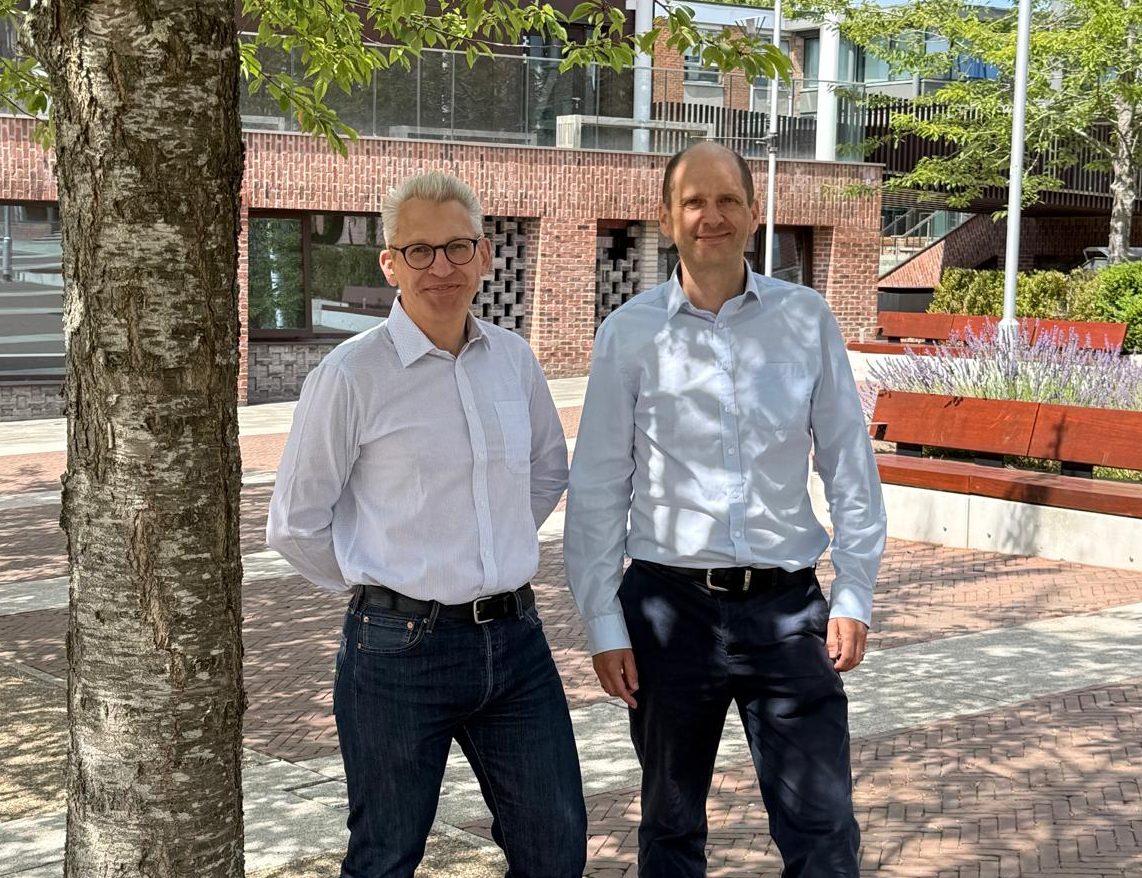
Over more than 40 years of combined teaching, we have observed with fascination students maturing and developing into confident, skilled scientists. Surprisingly, we can better relate to them now, because we are both fathers of adolescents/young adults, who – like most of our current students – belong to the group of ‘digital natives’ referred to as Gen Z (i.e. those born 1997-2012). So, from this perspective, we often have several questions on our minds: When do people actually become adults? When do we become mature and independent? Some might say it is at the legal age of 18, when we are allowed to vote, consume alcohol in a pub, or get a tattoo, but there might be other estimates for the magical age for this developmental milestone. These should also be important questions for us in Higher Education because our students are on this boundary – and we are their mentors for one stretch of the journey into adulthood.
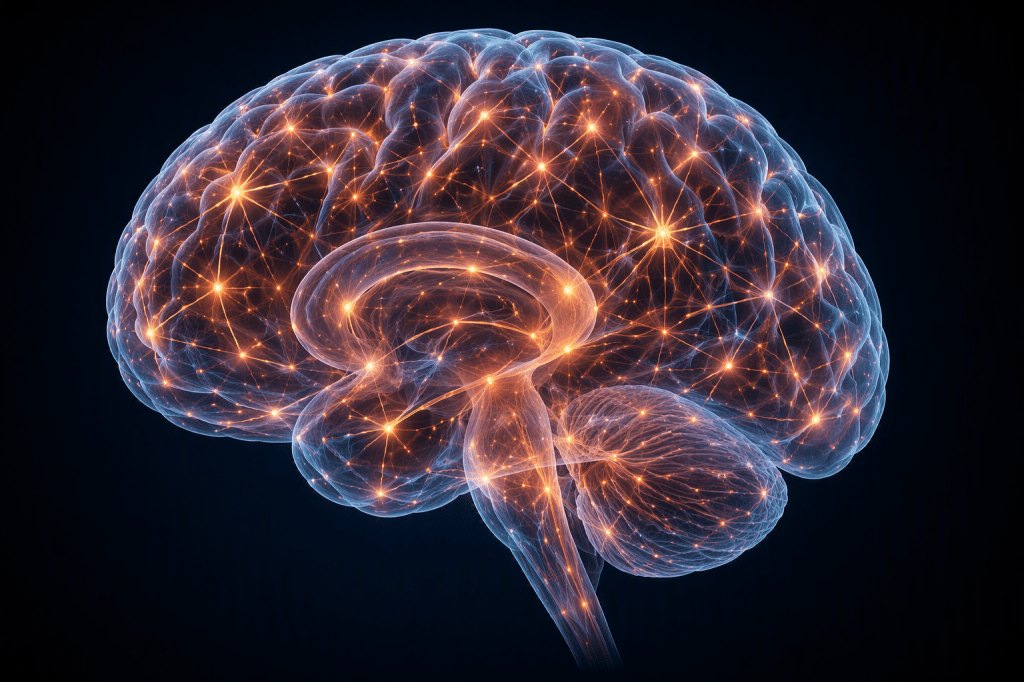
What does science tell us about our minds during adolescence? Some exciting answers to this have come from sophisticated imaging studies of brain development over the past few decades. They have pointed to the fact that the brain is not fully developed at age 18 and is still undergoing structural changes at this point; for example, nerve fibres, known as axons, are developing, and connections between different parts of the brain are still forming. Many of these neuroscientific studies have shown that important parts of the brain develop into the mid-twenties. Crucially, the prefrontal cortex, a part of the brain which carries the complex functions of thinking, reasoning, intelligence and processing of emotions, develops very late – around age 25. A recent study of brains from infancy to old age (Mousley et al., 2025) has pushed our understanding of this even further: the human brain is still developing considerably into the early thirties, extending our ideas of adolescence well through the twenties! Overall, the study identified significant age-related changes in brain structures around the ages of nine, 33, 66, and 83 years, which represent developmental ‘turning points’.
What does this all mean for us – if we are young or if we are older? What does this mean for teachers, educators, and employers? Well, these results point towards development for young people stretching beyond a traditional late adolescent period between the ages of 18 and 21. They show that young people are experiencing an important developmental period throughout their twenties. It is during that time that the brain still has a high level of adaptability – or plasticity – and learning experiences can be very impactful.
Related to that is the question of whether these brain developmental changes are static or can be altered. We know that aspects of maturation, such as brain connections, are partly hard-wired and occur almost as programmed over time, while others are partly altered by experience. Other aspects develop because of experiences, education, and the challenges we face and overcome. This is the key nature-versus-nurture debate, which is difficult to unpick and decipher, even with the most state-of-the-art technology. While the recent study has revealed several phases of morphological change in the brain, it can only provide an anatomical snapshot of different age groups and the impact of life-long experiences up to the time of analysis. For example, the lived experience of a now 90-year-old, back in their mid-twenties, was undoubtedly very different to that of a Gen Z student nowadays. Societal changes over time and technologies add another level of complexity that affect people’s brain development in the long term. From mobile phones to social media – communications and permanent access to information are changing at an ever-greater pace and extending much of our experience into a virtual world.
Higher Education faces numerous challenges, including a stronger emphasis on digital literacy and the creation of a modern, personalised, and inclusive learning experience that appeals to Gen Z. The adoption of student-centred approaches is necessary, but it is unclear if or how the drive from technology will impact on brain development. What will brain imaging studies reveal about today’s digital natives in 50 years? Is it likely that the ‘turning points’ will shift and will this be reflected in altered brain maturation?
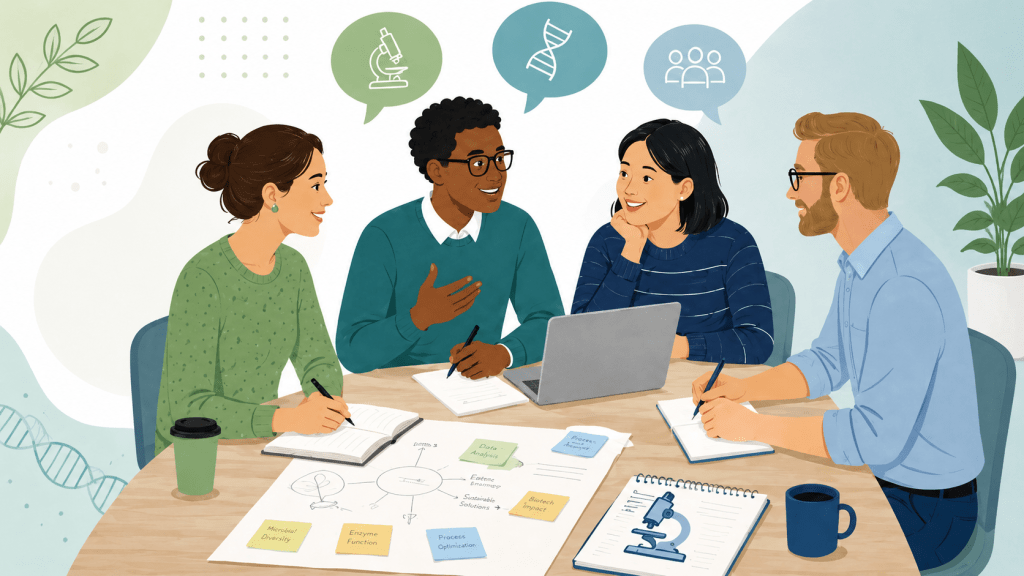
How should teaching professionals respond to this? There may be aspects of Higher Education that can be altered to respond to changing generational needs, balanced by the acknowledgement of the continued mental and emotional growth in our students. Perhaps we need a greater emphasis on providing learning environments which are both rewarding and stimulating and also provide room to create and play. Clearly, social interactions are the key to providing these new nurturing environments for our young people to flourish. They have helped us humans – and our brains – to evolve over millions of years into the complex entities that we are today.
Reference
Mousley, A., Bethlehem, R. A. I., Yeh, F.-C. and Astle, D. E. (2025) Topological turning points across the human lifespan, Nature Communications, 16(1).


 Bioscience Scholarship Research at NTU
Leave a comment